
Miscellaneous
A bridge between the past and the present – A digital archive
By Berfin Ucar
11.11.2026, 8 Min. reading time
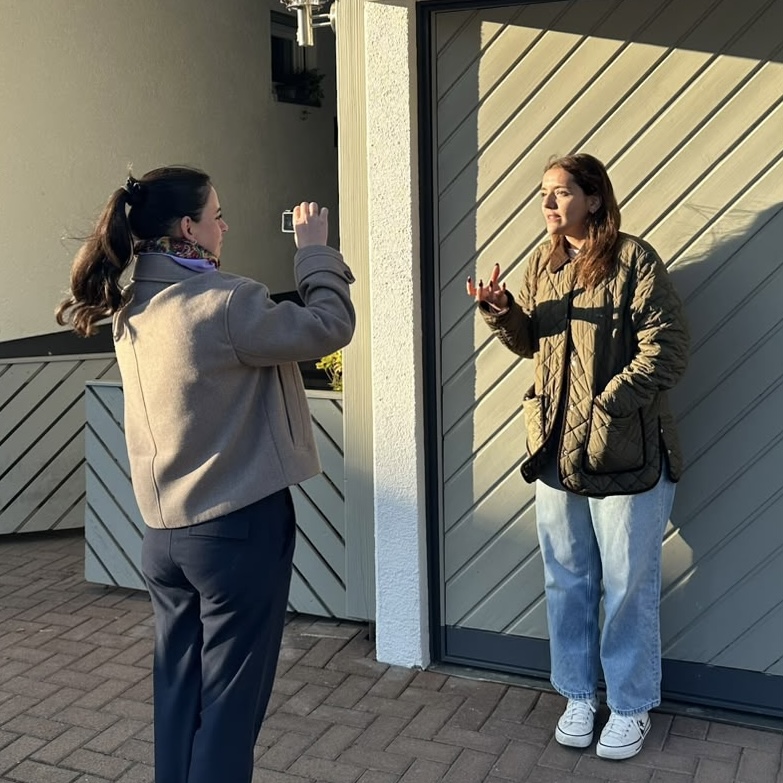
What does Alevism mean to the people who practise it? How are religious knowledge, personal memories and traditions passed down through the generations? I am exploring these questions through my camera. Through conversations with people of different generations and visits to sacred sites, I am gaining insights into diverse beliefs and personal experiences. Through my YouTube channel, I aim to capture these perspectives and create a growing digital archive that not only preserves memories but also keeps them alive for future generations.
Without cultural memory, individual and collective identity would be inconceivable.
—Jan Assmann (2000)
Alevism from an anthropological perspective
From a cultural and social anthropological perspective, I do not view culture as something rigid or unchanging. Culture encompasses both material and immaterial forms of expression of human coexistence and is shaped by the practices, experiences and ideas of the people who live it and pass it on. It thus exists in a tension between continuity and change.
This idea is of particular importance to my YouTube channel. When I interview people from different generations about Alevism, my aim is not simply to test their factual knowledge or to gather information about historical events. Rather, I want to understand and highlight the significance of this faith for each individual, how they experience it, and what memories and experiences they associate with it.
For, from my perspective, Alevism is not a dogmatically defined religion. Rather, it offers scope for different personal views, experiences and interpretations of the faith. Just how individual and, at the same time, profound this connection can be was made clear, for example, in my interview with Dicle from Switzerland:
I don’t know how to explain Alevism, but spirituality is such a profound bond.
(German, roughly: ‘I don’t know how to describe Alevism, but the spiritual connection is so profound.’)
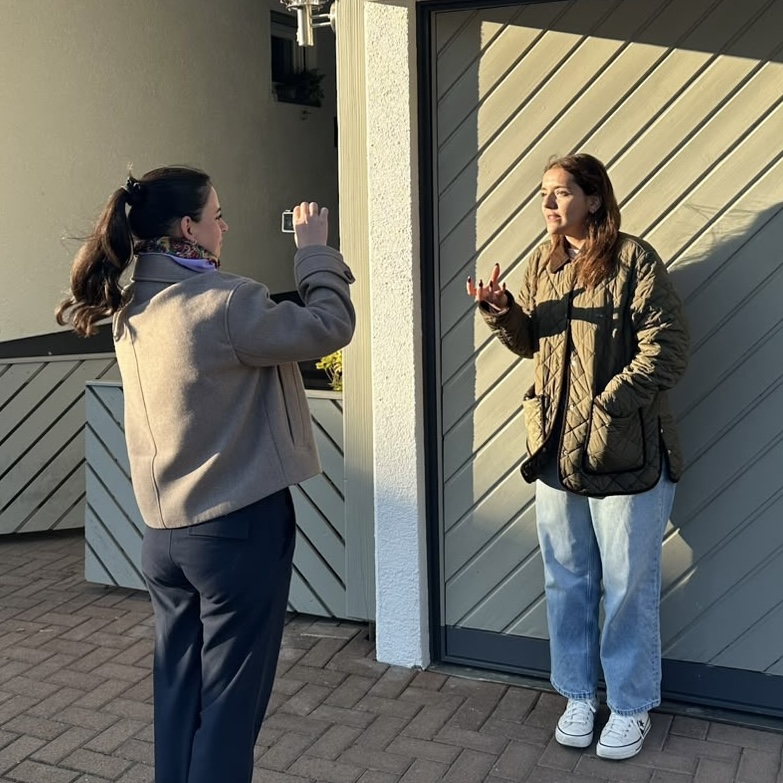
To me, this statement illustrates that religious affiliation and spirituality cannot always be clearly put into words. Faith can, rather, be a personal and emotional experience, the significance of which cannot be fully grasped through general definitions alone.
Oral traditions and perspectives across the generations
Oral narratives therefore play a particularly important role in my work. Their value does not lie solely in recording information or individual opinions. From an anthropological perspective, interviews provide access to personal experiences, religious beliefs and social contexts. They offer insights into how people understand their faith, pass on their knowledge and interpret their past in the light of their current life circumstances.
At the Sorpiyan Cemevi in Pertek (Dersim), Zeynel Dede explains the key principles of Alevism as follows:
For example, in Alevism there is ikrar, there is müsahiplik, there is kirvelik, there is the rehber, the pir and the mürşit; all of these are forms of ikrar.
(German, paraphrased: ‘In Alevism, for example, there are the İkrar, the Müsahiplik, the Kirvelik, as well as the Rehber, Pir and Mürşit. All of these are connected to the İkrar, the religious promise or vow.’)
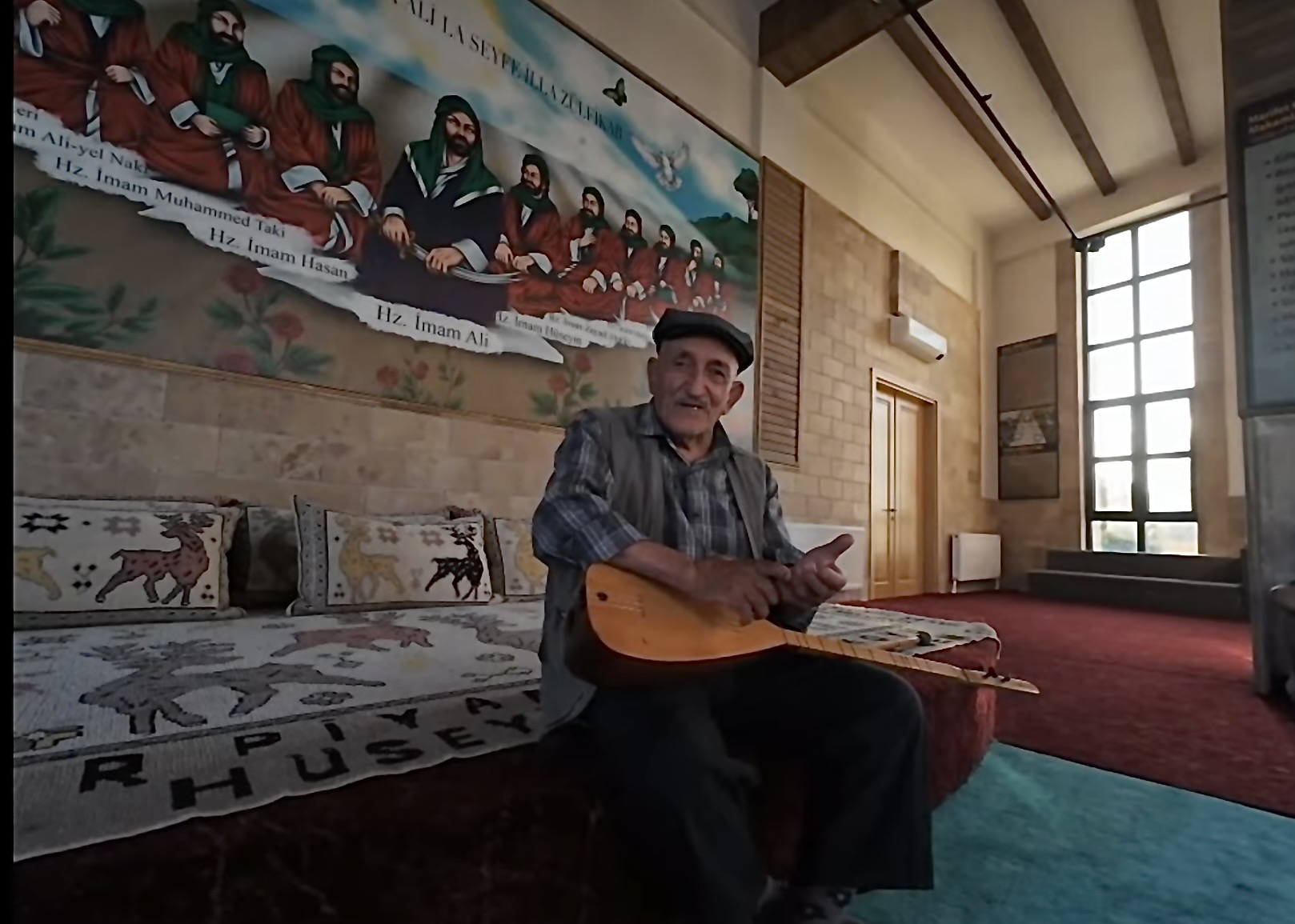
This statement makes it clear that Alevism is shaped not only by individual beliefs, but also by religious obligations, social relationships and forms of knowledge transmission.
From an anthropological perspective, I am interested in the significance such religious concepts hold for people, how they are put into practice in everyday life, and how this knowledge is passed on to younger generations.
I am particularly interested in the similarities and differences between the generations. How was Alevism experienced and practised in the villages in the past? What significance does it hold today in the major cities? What impact do migration, social change and processes of modernisation have on religious practices and beliefs? What experiences are passed down within families, and how do younger generations understand these traditions today?
Sacred sites as living places of faith and remembrance
These questions concern not only the transmission of religious knowledge, but also changes in the perception and significance of holy places.
In one of my interviews, Nazlı Tilay from Ovacık explained that her personal connection to the sacred site of Munzur Baba had changed as a result of the alterations and modernisation of the place. She said that she could no longer experience the spirituality she had once associated with this place in the same way during her visits today.
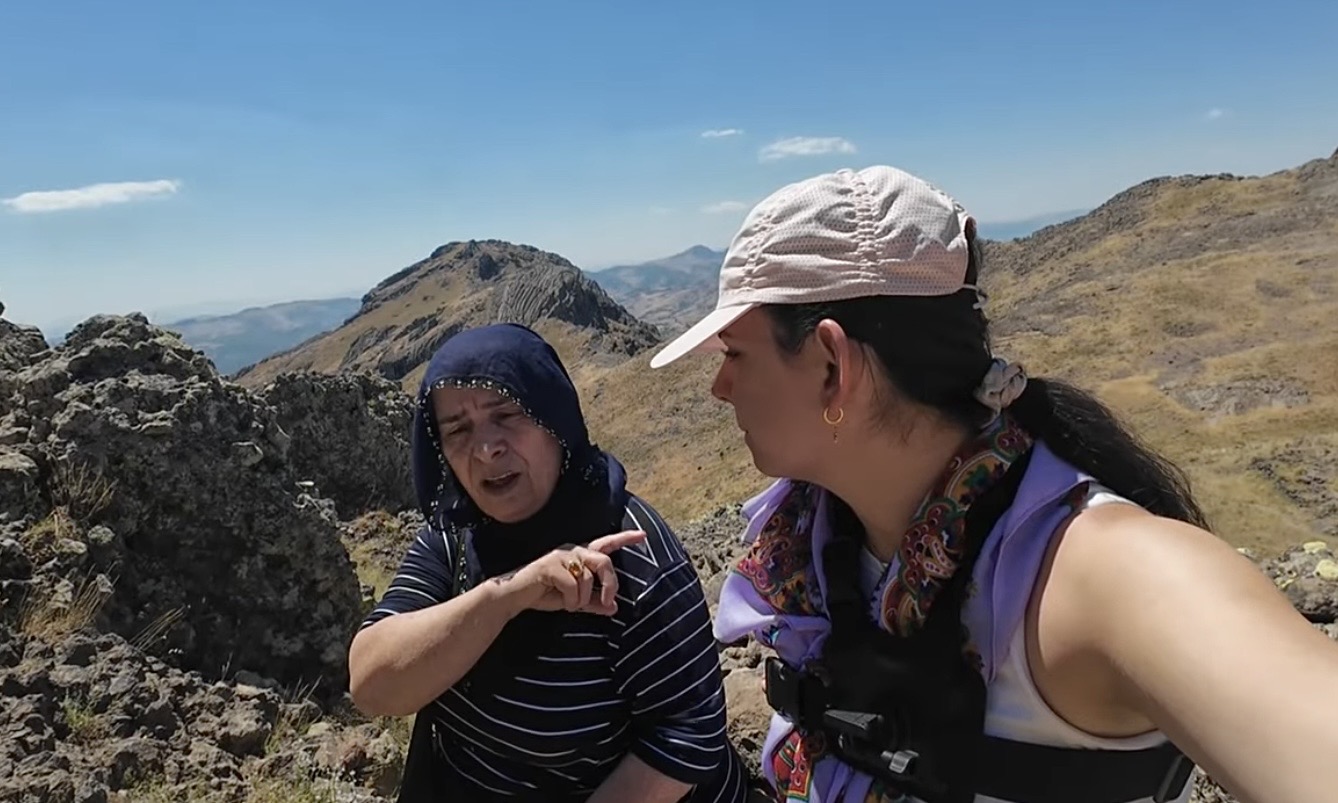
This story illustrates that sacred places are not significant solely because of their geographical or physical characteristics. Their religious and emotional significance also arises from personal experiences, memories and the relationship that people develop with them. If a place changes, therefore, the way it is perceived and the experience associated with it may also change.
Natural objects such as trees, rocks and water sources can also serve as repositories of religious knowledge. In her study on Anatolian Alevism, the religious studies scholar Janina Karolewski (2014) describes how knowledge is preserved, transmitted and brought to life through various material and immaterial forms of expression. Their significance derives not solely from their outward appearance, but from the narratives, religious practices and beliefs associated with them within a community.
One example of this is Düzgün Baba, one of the significant sacred sites (jiares) in Dersim. From the perspective of many people’s faith, such places are far more than mere geographical locations or symbols of religious traditions. They are believed to possess their own spiritual power and presence. The relationship with them is characterised by a special closeness and familiarity.
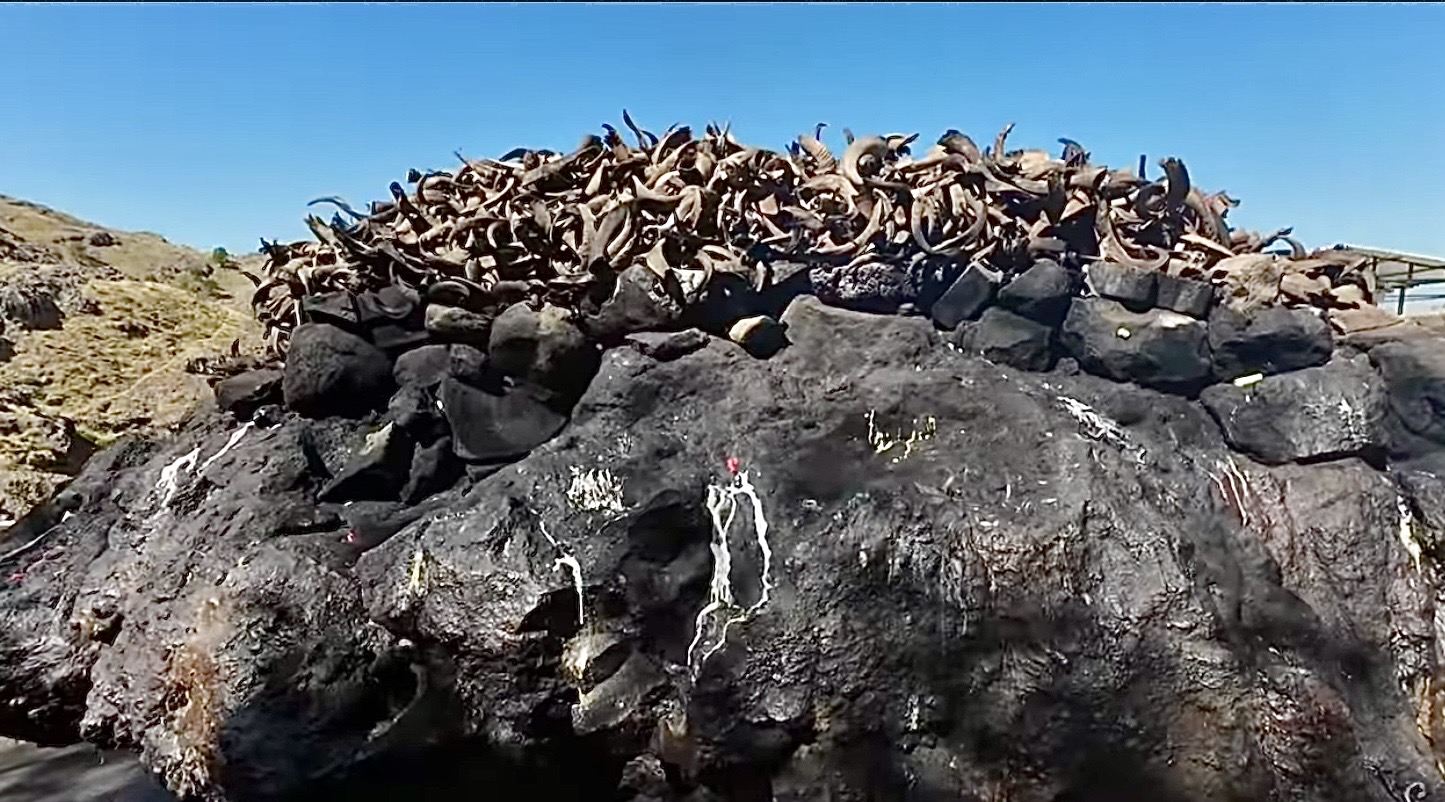
People visit these sacred sites to express their worries, wishes and hopes. They speak to them, pray, make vows, offer gifts (lokma) or light a candle (çerağ). In doing so, joy, gratitude, grief and hope can all be expressed in equal measure. Each Jiare is associated with its own stories, religious beliefs and a special spiritual significance.
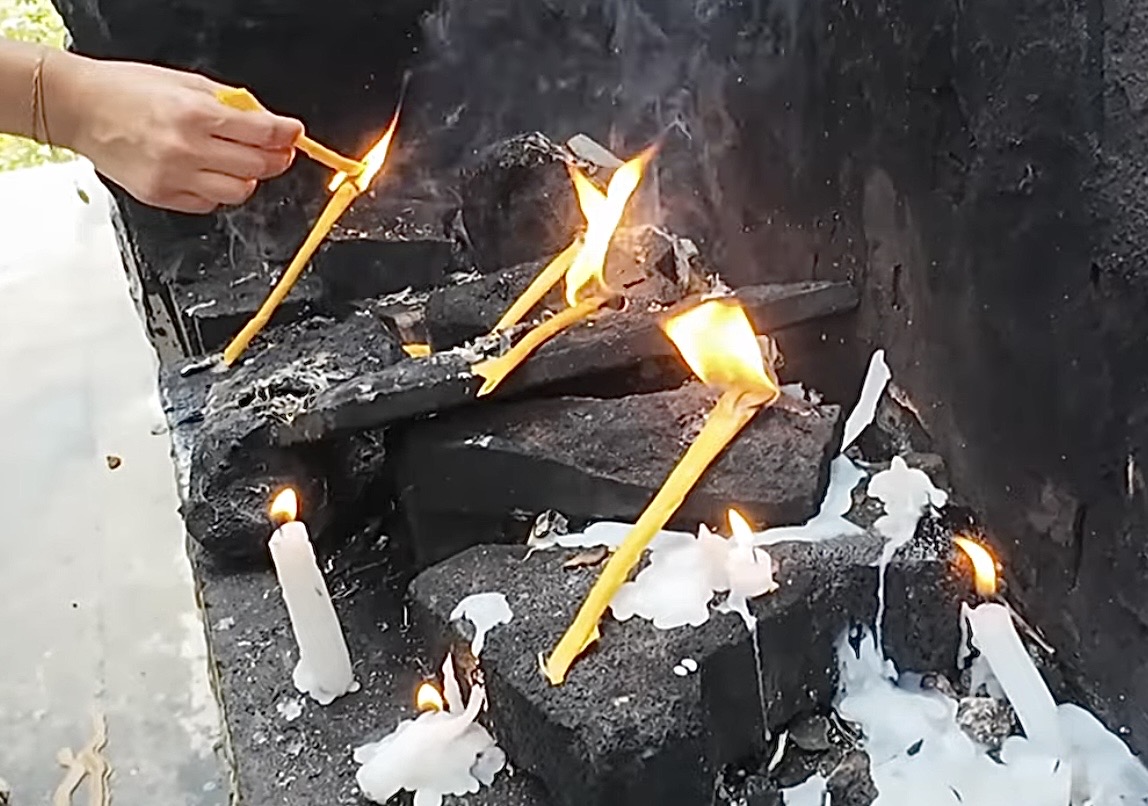
Düzgün Baba should therefore not be understood solely as a place of remembrance where religious knowledge and traditional tales are preserved. Rather, encountering this sacred site establishes a living relationship with faith, which is continually renewed.
It is precisely this, I believe, that shows that cultural memory does not consist solely of narratives about the past, but is also kept alive through contemporary religious practices, personal experiences and our relationship with sacred places.
The little encounters that stay with you
However, alongside all these theoretical considerations, it is above all the human encounters that are particularly close to my heart in my work. I love these connections – sometimes fleeting, yet incredibly deep – that are forged along the way, and some of which I am privileged to capture with my camera.
I’m thinking of Nazlı Tilay, who accompanied me to Düzgün Baba when I was feeling scared. Hüseyin Erdoğan, who told me about his family and about Hızır, and with whom I could just have a chat in Kurdish from time to time. Or Cemal Amca from Mukuf Köyü, who picked cucumbers from his garden for me and gave me some fresh raspberries.
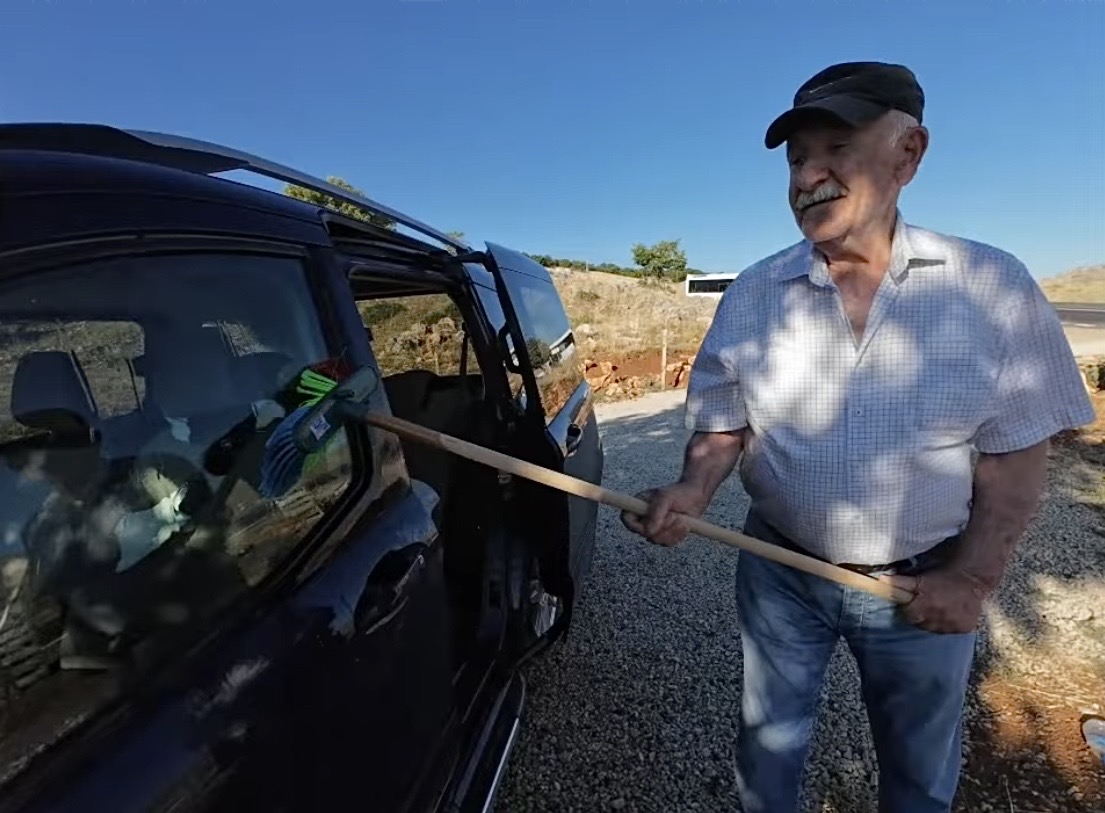
It is these small, sincere gestures that I remember most vividly. Encounters that may last only a few hours, but which foster a sense of closeness and familiarity that extends far beyond the interview itself. In moments like these, I realise that my camera is not only documenting religious knowledge, stories or cultural practices, but also human relationships, hospitality and moments of mutual trust.
And perhaps it is precisely these unassuming moments that mean the most to me personally, and which I am just as determined not to let slip into oblivion.
A digital archive for cultural memory
Through my YouTube channel, I want to create a space where such diverse and intergenerational perspectives are documented and made accessible in the long term.
My recordings are therefore intended to be more than just a collection of individual videos. They are intended to form a growing digital archive in which places, personal experiences, religious knowledge and different perspectives are recorded and will remain accessible in the future.
For me, it is not just about preserving memories, but also about bringing them to life. An interview, a story or a recording of a sacred site can be revisited years later, evoking memories, raising new questions or inspiring people to reflect on their own history and faith.
My hope is that the religious knowledge of older generations, our traditions and religious practices will not be forgotten. Rather, I would like to help ensure that they remain accessible to future generations, so that they can be recalled, re-examined and brought to mind time and again.
For me, cultural memory means not only preserving the past, but also keeping it alive in the present and passing it on to future generations.
Through my YouTube channel, I would like to play a small part in ensuring that our community’s memories, experiences and knowledge continue to have a place in our collective memory, and that the connection to our faith remains alive.
https://youtube.com/@berfinucar58?si=nD-5GGm3tgqqYvxS
Bibliography
Assmann, Jan (2000): Religion and Cultural Memory. Ten Studies. First edition. Munich: Beck (Beck’sche Reihe, 1375).
Karolewski, Janina (2014): ‘Manuscripts, sung poetry and long-necked lutes as repositories: the transmission and embodiment of knowledge in Anatolian Alevism’. In: Katharina Hoins, Thomas Kühn and Johannes Müske (eds.): Intersections. The Presence of the Absent. Berlin: Reimer.